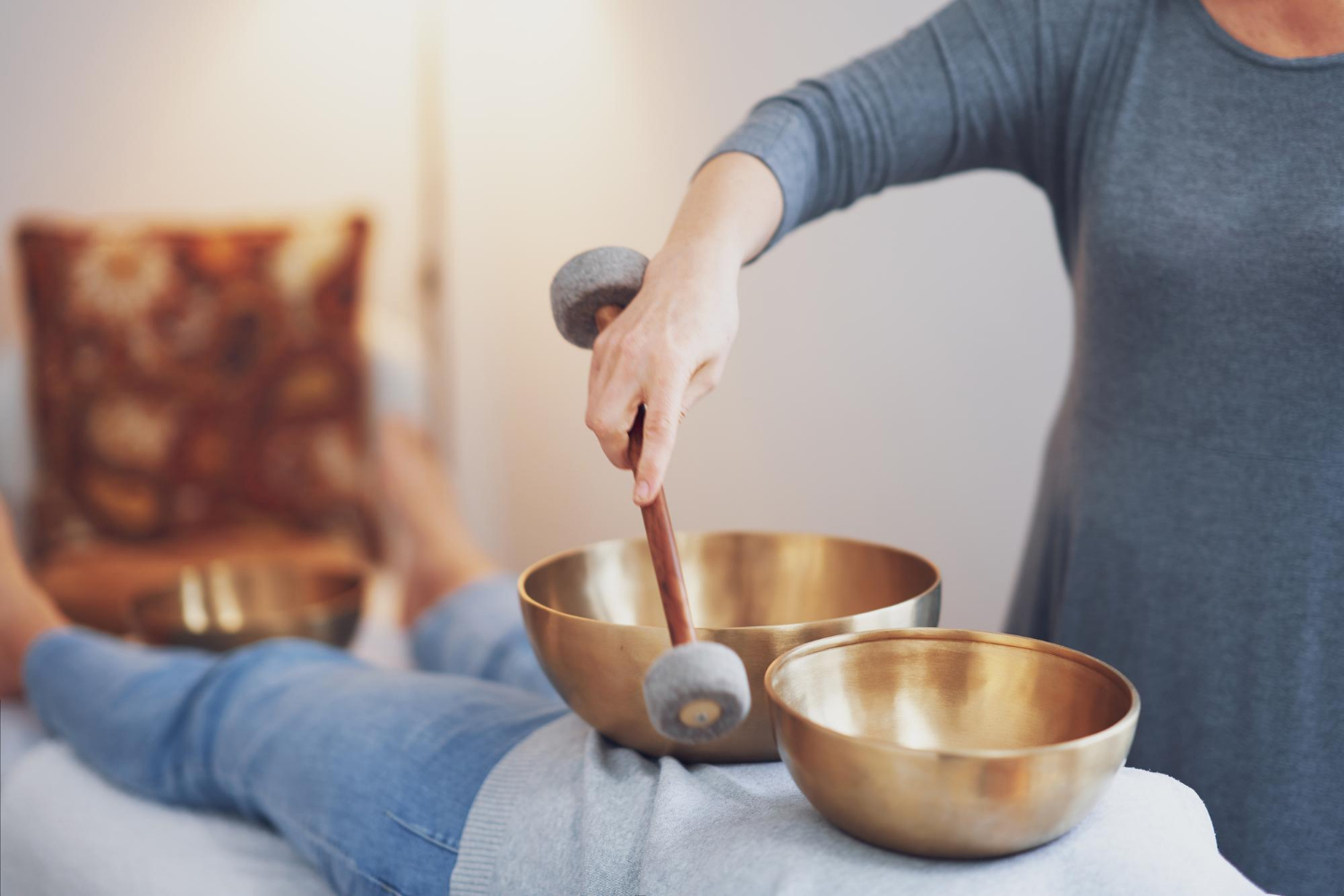
What is Gong Therapy?​

Therapy
Gong Therapy
Say you walk into a quiet room, lie down on a soft mat, and close your eyes. Then a gong sounds, low and slow, and the whole room seems to hum. You might wonder what’s going on and why people do this on purpose. So, what is gong therapy? It’s a sound-based relaxation practice. This guide explains how a session works, what it feels like, what the research says, and how to find a gong therapist in New York.

What Exactly Is Gong Therapy?

Gong therapy is a practice where someone plays one or more gongs while you rest and listen. Most people lie down, though sitting is fine too. You don’t have to do anything except listen. You’ll also hear it called a gong bath, a gong meditation, or sound healing. The words differ, but the idea is the same: you rest while the sound fills the room.

Is Gong Therapy the Same as a Sound Bath?

Not quite, though they overlap. A sound bath can use several instruments, such as singing bowls, chimes, tuning forks, and gongs. Cleveland Clinic lists all of these. A gong bath leans on the gong as the main instrument. So every gong bath is a sound bath, but not every sound bath is a gong bath.

How Does Gong Therapy Work?

A gong doesn’t play one note. When it’s struck, the sound swells, shimmers, and slowly fades, and the practitioner can change how hard and where they hit it. Up close, you may feel the vibration as well as hear it. That’s how it’s experienced. Whether it does anything inside the body is a separate question. Online claims about gong frequencies balancing brain waves or clearing emotional blocks haven’t been confirmed by science.

What Happens During a Gong Therapy Session?

Every practitioner runs things a little differently, but many sessions follow a similar flow. You settle in and get comfortable. There’s often a moment to set an intention, which can be as simple as “I want to rest.” Then you might do some slow breathing or a short guided meditation. After that, the gong is played while you listen. When the sound stops, you stay quiet for a while, then ease back with some grounding and a little time before you leave.

What Does Gong Therapy Feel Like?

It depends on the day and the person. The sound can be deep or bright, loud or soft, steady or changing. One person finds it calming. Another notices their thoughts wandering, or feels a tickle of emotion, or just enjoys lying still for a while. Feeling very little is fine too. Don’t expect a certain feeling. Wanting to feel peaceful can get in the way of simply listening.

Why Do People Try Gong Therapy?

Mostly for a break. Daily life is noisy, and a gong session offers time with no phone and nothing to do. Some come to support a meditation practice, since a sound can give a wandering mind something to follow. Others are just curious about sound-based wellness. A session isn’t a treatment for anxiety, sleep problems, or pain. It’s a chance to slow down.

What Are the Possible Benefits of Gong Therapy?

Some people say they feel calmer, more rested, or less mentally busy afterward. Those are personal reports, and they’re genuine experiences. They aren’t proof that gongs cause the change. Research on gong therapy itself is limited. Cleveland Clinic says there’s little research on sound baths overall. Cedars-Sinai points to a 2025 review of singing bowl studies that found possible benefits but called the studies small and at high risk of bias. Singing bowl results can’t be used as proof for gongs. More research is needed.

Is Gong Therapy Suitable for Beginners?

Generally, yes. You don’t need meditation experience, because the main job is lying there and listening. Before you go, you can ask the practitioner what to expect, pick a position that feels comfortable, and mention anything you’d like them to know. If you feel restless, you haven’t done it wrong.

Can Gong Therapy Be Uncomfortable or Too Loud?

It can be. Gongs can get loud, and the volume changes as the sound builds. If sound bothers you, ask about volume, where you’d sit or lie, and whether you can move away from the gong, use hearing protection, take a break, or step out. If you have tinnitus, hearing loss, or sensitivity to sound, talk with the practitioner before booking, and with your doctor if you’re unsure. Don’t tough it out.

How Do You Prepare for Your First Gong Session?

Wear loose, comfortable clothes. Arrive a few minutes early so you’re not rushed. Ask what the session includes and whether you should bring anything, such as a blanket or pillow. Tell the practitioner about any sound sensitivity or other concerns. Then let go of expectations. You don’t have to feel anything in particular.

Where Can You Find a Gong Therapist in New York?

To find a gong therapist in New York, start with practitioner and studio websites, then read them closely. Check how much experience they have with gong sessions and sound baths, what training or certifications they list, and which instruments they use. Find out whether sessions are private or group, how loud it gets, what it costs now, and what comfort arrangements are offered. Reviews help, but read them with care. People often search for the best gong therapy in New York or the best gong therapist. “Best” depends on you. Usually it’s the practitioner who explains things clearly and makes you comfortable. Be wary of anyone who promises results.

What Happens During Gong Sessions at Empower Within U?

Empower Within U offers gong sessions on its Gong Sessions page. The page describes a flow much like the one above: a welcome and intention setting, gentle breathing or meditation, the gong sound, quiet rest, then grounding and time to settle before you go. You stay fully clothed and comfortable. The page says sessions are guided by experienced, certified sound healing practitioners. Ask who will lead yours, and check current session length and prices before booking. Empower Within U, founded by Hana Bisceglie, also offers hypnotherapy in New York. That’s a separate service, and it starts with a conversation about your goals.

Is Gong Therapy a Replacement for Medical Treatment?

No. It’s a complementary wellness activity, not medical care. It shouldn’t replace treatment, prescribed medication, mental health care, or advice from your doctor. Cleveland Clinic advises checking with a doctor first if you have a psychiatric disorder, and Healthline suggests the same if you’re pregnant or have epilepsy.

Final Thoughts

Gong therapy is a sound-based experience that some people enjoy for rest and meditation. It won’t suit everyone, and nobody can promise a result. If you’re curious, find out what a session includes, ask questions, and pick a practitioner who respects your comfort. To see what Empower Within U offers, explore its gong sessions.

FAQs About Gong Therapy 

What is gong therapy used for? People use it for relaxation, meditation, and quiet time away from daily noise. It’s a wellness activity, not a treatment for any condition. Some people report feeling calmer afterward, but experiences vary, and research on gong therapy itself is limited. What happens during a gong bath? You lie or sit comfortably while a practitioner plays a gong, and you listen. Many sessions begin with settling in and a short breathing exercise, then end with quiet rest and a little time to come back to the room. Details differ between practitioners.  Do you need meditation experience for gong therapy? No. The main task is to rest and listen, so you can come as a beginner. If your mind wanders, that’s fine. It helps to ask the practitioner what to expect and to mention any concerns before the session starts. How long does a gong therapy session last? Length depends on the provider, and it isn’t worth guessing. Check the practice’s current session details, and ask about timing when you book, including how long the quiet rest at the end lasts. For Empower Within U, start with its Gong Sessions page. Can gong therapy help with relaxation? It may. Some people say they feel calmer or more rested after a session, and the setup is built for rest: you lie down, you listen, and you have nothing to do. Still, results differ, and research on gongs specifically is limited, so treat it as something to try, not a promise.

Tags :

Gong Therapy

Share This :

Leave a Reply

Your email address will not be published. Required fields are marked *

Hana Bisceglie

Hana Bisceglie is the Founder of “Empower Within U” and a certified hypnotherapist by the HMI motivational institute.

Have Any Question?

Lorem ipsum dolor sit amet, consect adipiscing elit sed eiusmod tempor incididunt ut labore et dolore.